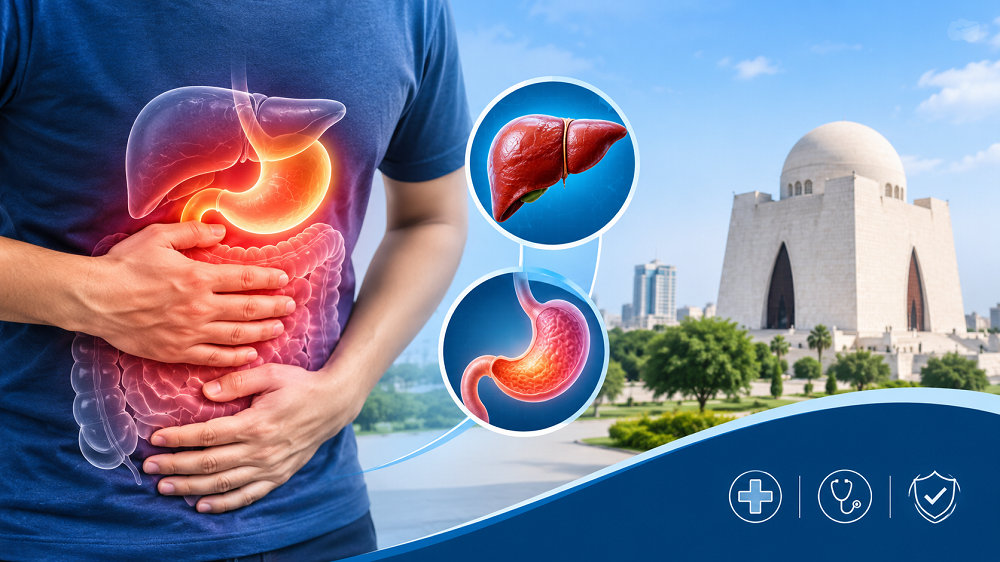
Stomach and liver problems can affect people of all ages. Many digestive conditions begin with mild symptoms. However, ignoring these signs can lead to serious health complications. Early diagnosis and proper medical care help patients manage these conditions effectively.
Finding reliable Stomach & Liver Disease Treatment in Karachi is important for people experiencing persistent digestive discomfort, abdominal pain, or liver-related symptoms. Understanding common conditions, their warning signs, and available treatment options can help patients make informed healthcare decisions.
Common Stomach and Digestive Diseases
The digestive system plays an important role in breaking down food and absorbing nutrients. Several conditions can interfere with its normal functioning.
Some common digestive diseases include:
1. Gastritis
Gastritis occurs when the stomach lining becomes inflamed. It may develop suddenly or gradually over time.
Common symptoms include:
- Upper abdominal pain or discomfort
- Nausea and vomiting
- Feeling full quickly
- Loss of appetite
- Indigestion
Doctors may recommend medication, lifestyle changes, and further investigations depending on the underlying cause.
2. Gastroesophageal Reflux Disease (GERD)
GERD occurs when stomach acid repeatedly flows back into the esophagus. This can cause irritation and discomfort.
Common symptoms include heartburn, acid reflux, chest discomfort, and difficulty swallowing.
Treatment may involve dietary adjustments, lifestyle changes, and prescribed medication.
3. Irritable Bowel Syndrome (IBS)
IBS is a common digestive disorder affecting bowel function. Symptoms may vary between individuals.
Patients may experience abdominal cramps, bloating, constipation, or diarrhea.
A suitable treatment plan can help manage symptoms and improve daily comfort.
4. Peptic Ulcer Disease
Peptic ulcers are open sores that develop in the stomach lining or upper small intestine.
Common symptoms include burning stomach pain, nausea, and bloating. Some ulcers can cause internal bleeding and require urgent medical attention.
Early diagnosis helps doctors identify the cause and recommend appropriate treatment.
Understanding Common Liver Diseases
The liver performs several essential functions. It processes nutrients, removes harmful substances, and supports digestion.
Different liver conditions can affect these functions.
1. Hepatitis B and Hepatitis C
Hepatitis B and C are viral infections that cause liver inflammation. Some patients experience no noticeable symptoms during the early stages.
Possible symptoms include:
- Fatigue and weakness
- Yellowing of the skin and eyes
- Dark urine
- Abdominal discomfort
- Loss of appetite
Blood tests help identify these infections. Early medical assessment is important to prevent potential long-term complications.
2. Fatty Liver Disease
Fatty liver disease develops when excess fat accumulates in liver cells.
It may be associated with obesity, diabetes, metabolic conditions, and other risk factors.
Many people have no symptoms during the early stages. Some experience tiredness or discomfort in the upper right abdomen.
Doctors may recommend blood tests, imaging, weight management, and lifestyle improvements.
3. Liver Cirrhosis
Liver cirrhosis involves permanent scarring of liver tissue. It can develop after long-term liver damage.
Possible warning signs include abdominal swelling, leg swelling, jaundice, fatigue, and easy bruising.
Cirrhosis requires specialist assessment and ongoing medical management.
Warning Signs That Should Not Be Ignored
Digestive and liver conditions do not always produce obvious symptoms. However, certain warning signs require medical attention.
Watch for:
- Persistent abdominal pain
- Frequent vomiting or nausea
- Unexplained weight loss
- Changes in bowel movements
- Yellowing of the skin or eyes
- Blood in stool or black stools
- Persistent abdominal swelling
- Unusual fatigue or weakness
Vomiting blood, black tarry stools, severe abdominal pain, or new confusion require urgent medical evaluation.
How Are Stomach and Liver Diseases Diagnosed?
Accurate diagnosis helps doctors understand the underlying cause of digestive symptoms.
Depending on the patient’s condition, doctors may recommend different investigations.
Blood Tests: These can help assess liver function, detect infections, and identify other abnormalities.
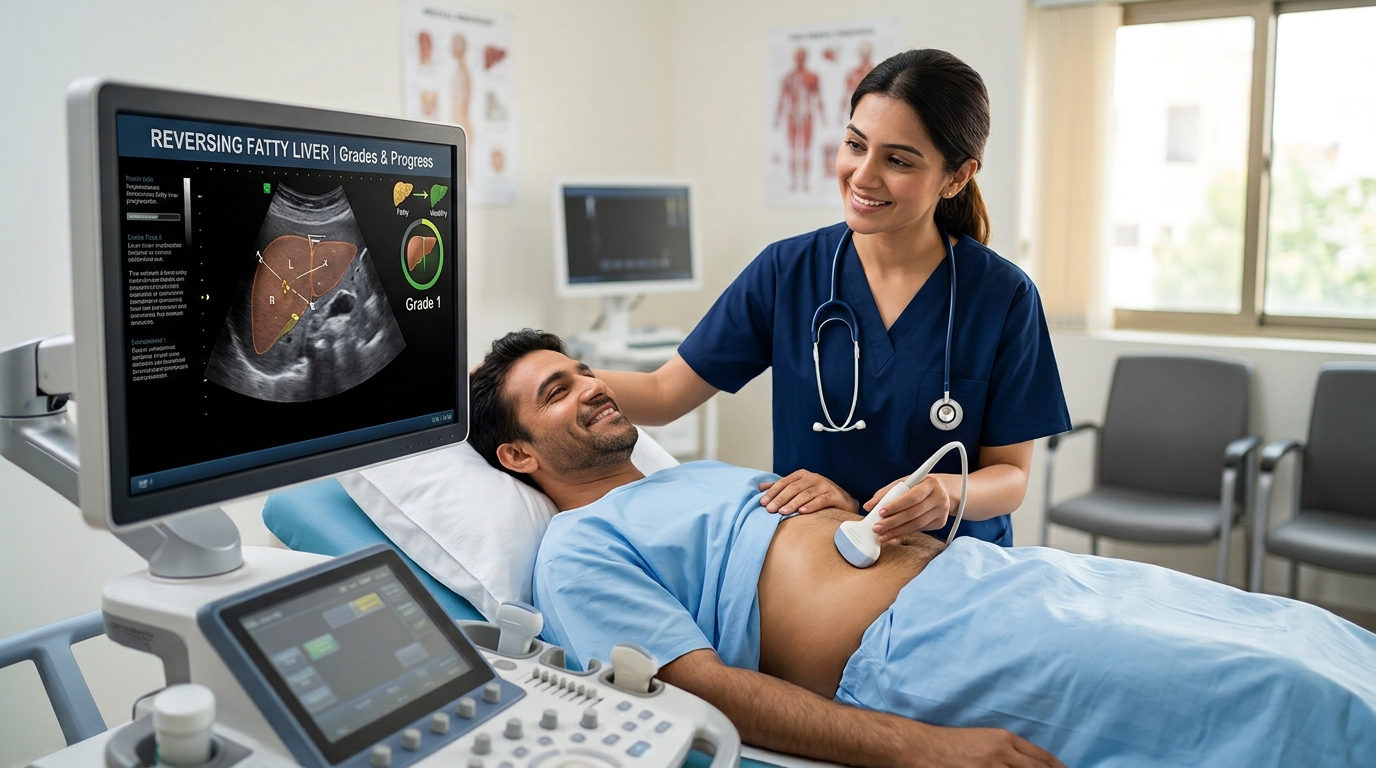
Ultrasound: Abdominal ultrasound helps examine the liver, gallbladder, and other abdominal organs.
Endoscopy: This procedure allows doctors to examine the upper digestive tract using a flexible camera.
Colonoscopy: Doctors may recommend colonoscopy to investigate certain bowel symptoms and examine the colon.
Additional Imaging: CT scans and other investigations may be required in selected cases.
Not every patient needs all these tests. The doctor selects investigations according to symptoms and medical history.
Treatment Options for Stomach and Liver Conditions
Treatment depends on the specific diagnosis, disease severity, and overall health of the patient.
Common treatment approaches include:
- Medication to manage inflammation and acid-related conditions
- Antiviral treatment for eligible patients with viral hepatitis
- Dietary changes and lifestyle improvements
- Medical management of fatty liver disease
- Monitoring and treatment of chronic liver conditions
- Further specialist care when complications develop
Patients should avoid self-medication and follow their doctor’s recommendations.
Choosing the Right Gastroenterology Clinic in Karachi
Choosing an experienced medical team is an important step toward better digestive health.
Patients should consider the availability of qualified doctors, diagnostic facilities, appropriate investigations, and ongoing medical guidance.
For individuals looking for Stomach & Liver Disease Treatment in Karachi, GILP Clinics provides care for a range of digestive and liver-related conditions.
Its conditions include gastritis, GERD, fatty liver disease, hepatitis, liver cirrhosis, Crohn’s disease, ulcerative colitis, gallstones, and other gastrointestinal disorders.
You can explore the stomach, digestive, and liver conditions treated at GILP Clinics to learn more about the conditions covered and available patient care.
Take Your Digestive Health Seriously
Stomach and liver conditions should never be ignored when symptoms persist or become worse. Early medical assessment can help identify potential problems and guide appropriate treatment.
Whether someone experiences frequent acidity, abdominal discomfort, bowel changes, or possible liver-related symptoms, consulting a qualified healthcare professional is a sensible step.
With proper diagnosis, medical guidance, and suitable lifestyle changes, many digestive conditions can be managed effectively. Taking action early can support better long-term health and quality of life.