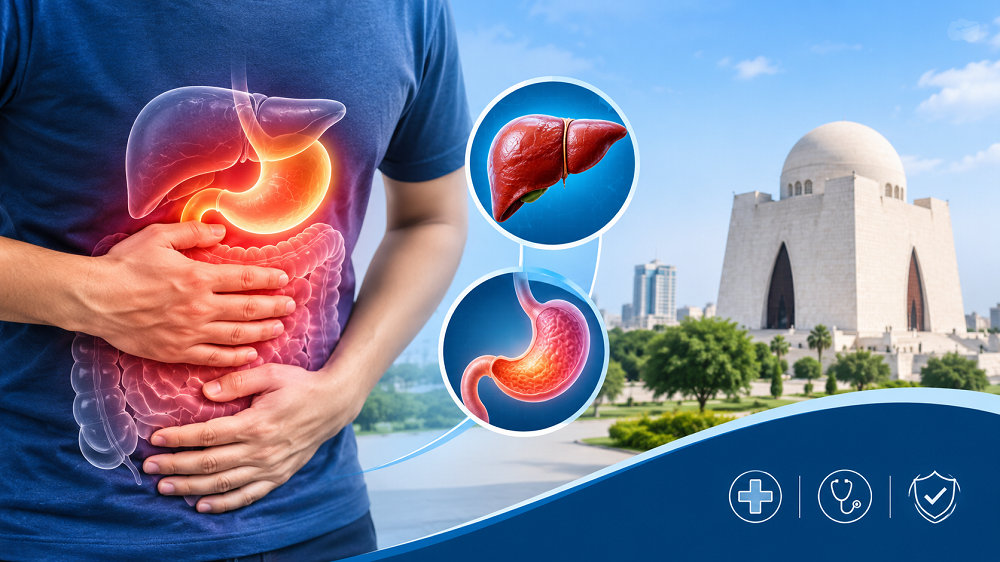
Finding out you or a loved one has a fatty liver can feel alarming, but there is reassuring news: in its early and intermediate stages, fatty liver disease is entirely reversible.
Known clinically as Non-Alcoholic Fatty Liver Disease (NAFLD)—or under modern diagnostic terms as Metabolic Dysfunction-Associated Steatotic Liver Disease (MASLD)—this condition affects millions globally and locally across Pakistan. Because fatty liver rarely causes severe early symptoms, it earns its reputation as a “silent condition”.
Understanding your diagnosis, recognizing early warning signs, and consulting a specialist are critical steps toward protecting your long-term health.
What is Fatty Liver Disease?
Fatty liver disease occurs when excess fat builds up inside liver cells. While it is normal for the liver to contain small amounts of fat, when fat accounts for more than 5% to 10% of the liver’s total weight, it impairs the organ’s ability to filter toxins, store energy, and produce essential proteins.
Most cases of NAFLD are closely linked to metabolic risk factors, including:
- Insulin resistance and Type 2 diabetes
- Abdominal obesity or excess belly fat
- High cholesterol and triglyceride levels
- Sedentary lifestyle and diets high in refined sugars and fried foods
Did You Know? You don’t have to be overweight to develop fatty liver. “Lean fatty liver” affects up to 20%–30% of non-obese individuals, driven by visceral fat, genetics, and poor metabolic health.
The Stages & Grades of Fatty Liver Disease
Understanding the progression of fatty liver helps determine the right clinical treatment and lifestyle intervention.
- Grade 1: Simple Steatosis (Mild)
- Fat accumulates in liver cells without causing inflammation or liver damage.
- Reversibility: 100% reversible through dietary changes and regular physical activity.
- Grade 2: Non-Alcoholic Steatohepatitis / MASH (Moderate)
- Fat buildup triggers inflammation and swelling inside the liver, causing localized cell damage.
- Reversibility: Reversible with medical guidance, blood sugar control, and structured weight loss.
- Grade 3: Fibrosis (Advanced)
- Persistent inflammation leads to stiffness and early scar tissue formation within liver tissue.
- Reversibility: Reversibility is possible with specialized medical treatment from a hepatologist to prevent progression.
- Stage 4: Cirrhosis (Severe)
- Extensive scarring impairs normal liver function. At this stage, treatment focuses on managing complications and preventing complete liver failure.
Recognizing the Symptoms: What to Watch For
In Grades 1 and 2, fatty liver disease typically causes few obvious symptoms. However, as the liver becomes enlarged or inflamed, you may experience:
- Persistent fatigue or general weakness
- A dull ache or fullness in the upper right side of the abdomen
- Unexplained weight gain or difficulty losing belly fat
- Elevated liver enzyme levels (ALT/AST) on routine blood tests
Warning Signs of Advanced Liver Dysfunction
If you notice any of these symptoms, seek immediate evaluation by a gastroenterologist or hepatologist:
- Yellowing of the eyes or skin (Jaundice)
- Swelling in the legs, ankles, or abdomen
- Dark urine or pale stools
- Unexplained weight loss or loss of appetite
How Is Fatty Liver Diagnosed?
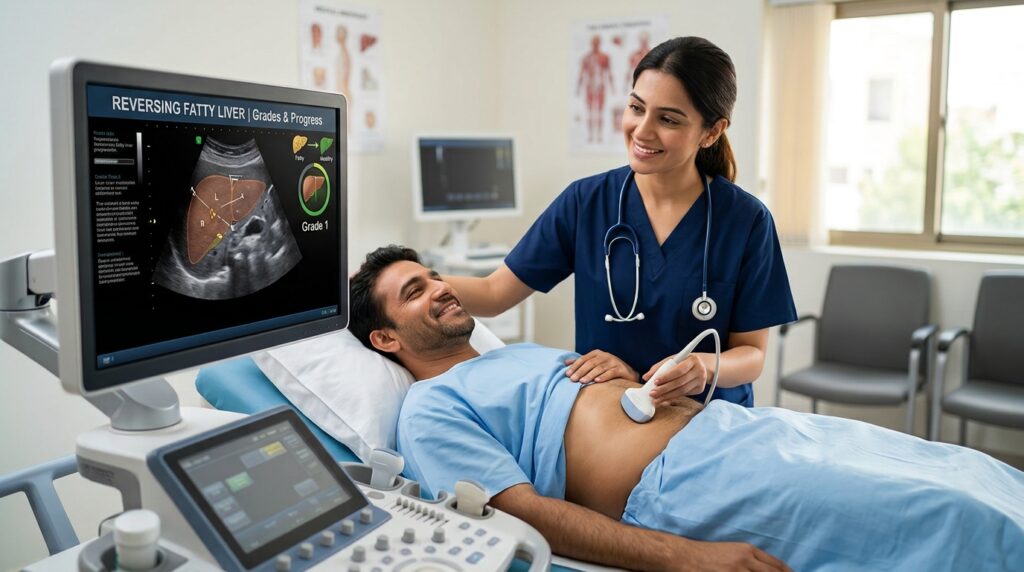
Accurate diagnosis determines whether the condition is simple fat accumulation or active inflammation. At specialized gastrointestinal clinics, doctors use:
- Abdominal Ultrasound: A quick, non-invasive imaging scan that detects a “bright liver” pattern caused by fat.
- Liver Function Tests (LFTs): Blood tests evaluating enzymes like ALT and AST to check for active inflammation.
- FIB-4 Index / FibroScan: Non-invasive scoring tools used to assess liver stiffness and fibrosis without requiring a biopsy.
Clinical & Lifestyle Options to Reverse Fatty Liver
The key to reversing fatty liver is taking action before permanent scarring (fibrosis or cirrhosis) occurs. Effective management involves a coordinated approach:
1. Targeted Dietary & Weight Adjustments
- Aim for 7%–10% Weight Loss: Losing just 7% to 10% of total body weight can significantly reduce liver fat and clear inflammation.
- Adopt Whole-Food Nutrition: Reduce refined carbohydrates, sugary beverages, and processed fats. Emphasize high-fiber vegetables, lean plant proteins, and healthy fats.
- Non-Surgical Weight Solutions: For individuals struggling to lose weight through diet alone, non-surgical options—such as an Intragastric Weight Loss Balloon—can help achieve metabolic targets under medical supervision.
2. Medical & Metabolic Management
Managing underlying conditions like diabetes, high cholesterol, and hypertension stops ongoing liver injury. A hepatologist will tailor medications to improve insulin sensitivity and protect liver health.
3. Regular Follow-Ups & Diagnostic Screenings
Fatty liver requires monitoring every 3 to 6 months to ensure the liver is healing and enzymes are normalizing.
Frequently Asked Questions
Can Grade 1 Fatty Liver be reversed completely?
Yes. Grade 1 fatty liver consists of fat accumulation without scarring or severe inflammation. With targeted dietary changes, physical activity, and weight management, liver fat can return to normal levels.
How long does it take to reverse fatty liver?
Most patients see measurable improvements in liver enzymes and fat levels within 3 to 6 months of consistent lifestyle and medical interventions.
Which doctor should I consult for fatty liver?
You should see a Gastroenterologist or Hepatologist (a physician specializing in liver and digestive health). For patients with co-existing conditions like diabetes or obesity, a multidisciplinary team including endocrinologists and clinical nutritionists provides optimal care.
Take Control of Your Liver Health at GILP Clinics
Don’t wait for silent liver inflammation to turn into irreversible scarring. At GILP Clinics (DHA Phase II, Karachi), our expert team—led by Prof. Dr. Syed Muhammad Zahid Azam (Consultant Gastroenterologist & Hepatologist)—provides advanced diagnostic ultrasounds, liver evaluations, and personalized treatment plans.
- Location: C-118, B-Commercial Market (Opposite Tooba Masjid), Phase II, DHA, Karachi
- Book a Consultation: Call 0331-222GILP or visit gilpclinics.com to schedule your liver screening today.